This is Part II to the sneak previews of this awesome book- 'The Big Questions in Science: The Quest to Solve the Great Unknowns' which delves deeper into the inexplicable things on Earth (and outside Earth). So, here goes...Qn. 6!
Big Question #6: Why do we dream?
Considering that we spend a third of our lives sleeping, we really should have figured out the mysteries of dreams and their cause, but apparently not. Scientists are still confounded on why we dream, though Sigmund Freud (Founding Father of Psychoanalysis) believed that dreams are expressions of unfulfilled desires (often sexual ahem ahem), many others seem to wonder if they are just random fabrications of a sleeping brain. Recent advances in brain imaging and studies on animals suggest that dreams could play a role in learning, emotions and our memory. Here is a study on rats' dreams and how it could help in memory enhancement.
Big Question #7: Why is there stuff?
Big Question #8: Are there other universes?
Well, I really can't say much about the idea of having more than one universe as I'm a Bio person and this involves a lot of knowledge on quantum physics (except DOCTOR WHO FTW!) Our universe could be unwelcoming to any form of life if even the slightest of changes were made. So how could the universe be this precise, making it possible for the existence of life? This is why scientists have been turning to the concept of a "multiverse" where there are multiple universes- each one with a different combination of settings being played out and we find ourselves in the one that is welcoming to life. It sounds impossible but evidence from quantum physics says otherwise. You could go to this site to delve deeper.
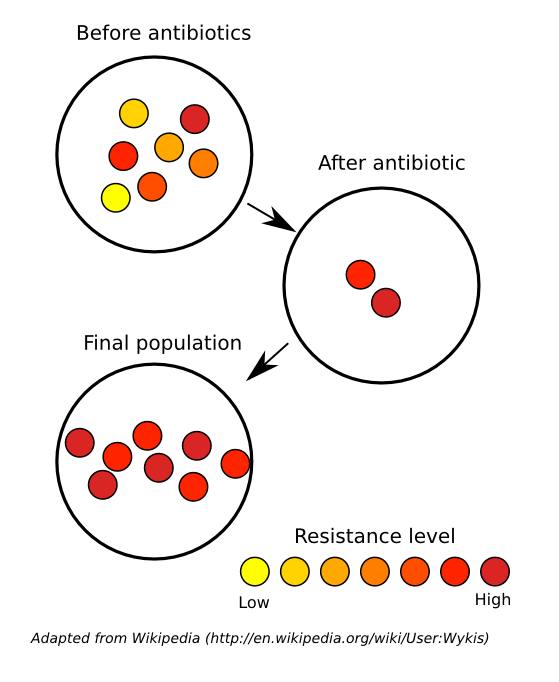
Big Question #9: How do we beat bacteria?
Antibiotics are a milestone in modern medicine- the discovery by Sir Alexander Fleming winning a
- DNA sequencing aiding in the discovery of new antibiotics that no one knew existed.
- Transplant of "good" bacteria from fecal matter
- Searching for bacteria in deep oceans
Big Question #10: Can we live forever?
Yes, scientists do think so. This is quite obvious from the fact that in our time, ageing is not thought of as an inevitable part of life as it has been for many years, but as a disease that can be treated and maybe even, prevented. We have abundance of knowledge on what causes us to age, what allows some animals to have longer life spans. Clues about DNA damage, the balance of ageing, metabolism and reproductive fitness and the genes that regulate this balance are helping scientists find the answers- leading to potential treatment.
This book answers many other huge questions in Science, excluding the ones I have compiled (just the ones that I could really understand). So, if you're curious, do try it out as it seems extremely cool to me! Have fun!

Fare thee well.
Love,
us


